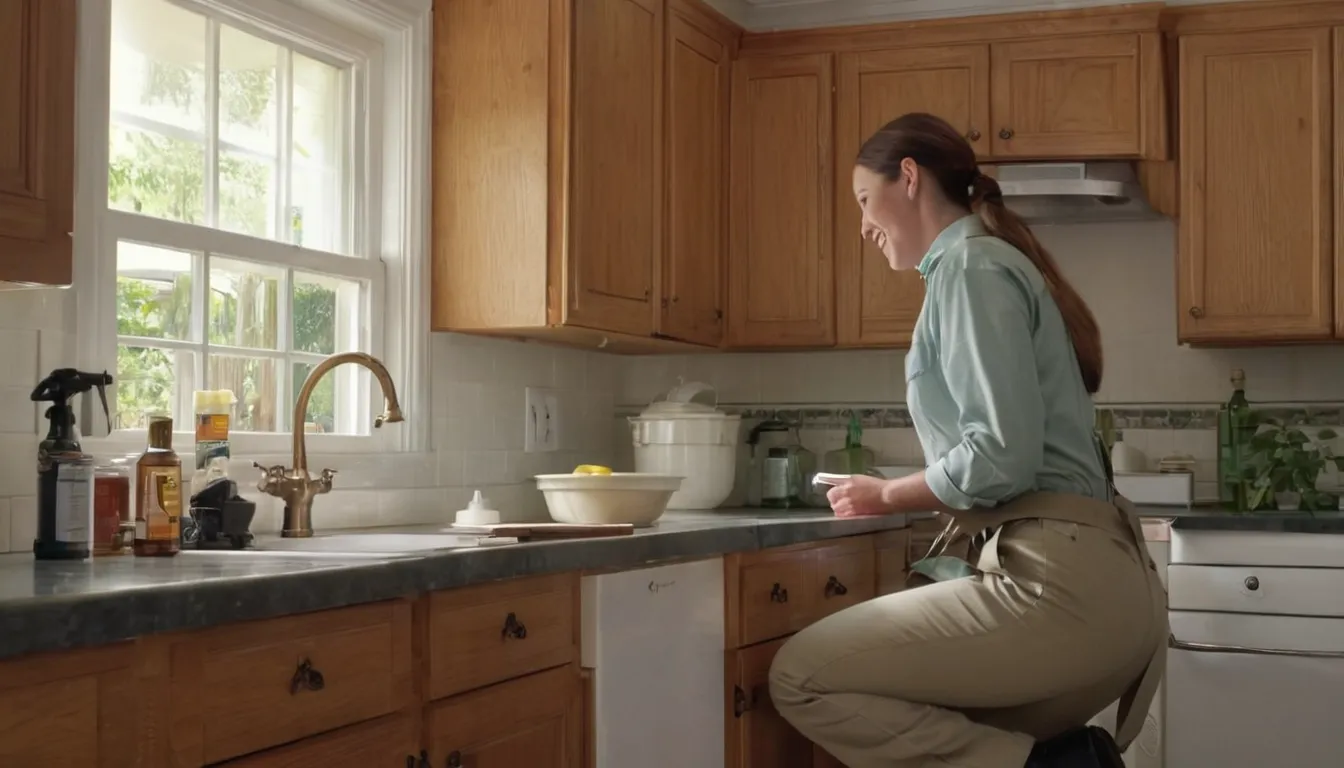
Home Pest Control for Gaithersburg Homeowners
Request an estimate from a local provider
Pests are common, and finding them does not mean your home is dirty. Ants, roaches, spiders, crickets, and mice all look for the same three things: food, water, and a warm place to hide. Homes in the Gaithersburg area offer plenty of that, especially when humid summers give way to cold winters.
Notedsing Pest Control is a referral service. We do not treat homes ourselves. We explain what is likely going on, walk you through the first hour, and connect you with an independent provider in our network. The provider inspects, treats, and gives you a written quote. You stay in charge of every decision.
Spotted Something Crawling? Start Here
Seeing a pest in your kitchen or basement feels personal. It is not. Pests are simple travelers. They follow smells, moisture, and warmth, and your house happens to offer all three.
This page explains what home pest control involves, what to do first, and what affects the price. Read it slowly. Nothing here needs a rushed decision.
Your First Hour, Step by Step
Slow down, look first. A few calm minutes now will help the provider later.
- Stay put and keep the area quiet. Do not spray random products around the room.
- Take clear photos of the pest, the spot, and any droppings, webbing, or damage.
- Write down when and where you saw it, and how many.
- Put food in sealed containers and wipe up crumbs and spills.
- Keep children and pets out of the affected room.
- Save a dead insect in a clear bag if you can. It helps with identification.
That is enough for now. You do not need to solve it tonight.
Why Pests Choose Your House
Think of your home like a restaurant with the back door propped open. Pests do not break in. They walk in through whatever gap is available.
Gaps around pipes, cracked foundation seams, loose door sweeps, and worn window screens all work as doorways. In older homes with basements, small openings around aging plumbing are common. Find the entry point, and the problem starts to make sense.
Why Acting Early Matters
A few ants are a visit. A trail of ants is a routine. Pests that find reliable food tend to settle in and multiply.
Roaches and mice breed quickly. Waiting a month can turn a small, simple job into a larger one. Early action usually means fewer visits and a smaller bill. It also keeps pests from spreading into walls and storage areas where they are harder to reach.
What Home Pest Control Covers
A typical visit has three parts. The provider inspects inside and out, treats the problem areas, and explains what they found.
Treatment may include targeted indoor products, baits, traps, and an outdoor barrier around the foundation. Many providers also point out sealing and moisture fixes, because treatment works better when the entry points are closed.
Common Pests Providers Treat
Seasons shape what you see. Humid summers bring ants, spiders, and crickets. Cold snaps push mice and roaches indoors.
- Ants: Follow trails to kitchens and bathrooms for water and sweets.
- Roaches: Hide in dark, warm gaps and come out at night.
- Spiders: Often follow the insects they eat.
- Crickets: Sneak in through low gaps and chirp from basements.
- Mice and rats: Squeeze through very small holes and nest in quiet corners.
A Word on Bed Bug Treatment
Bed bugs act differently from other pests. They hide in mattress seams, bed frames, and furniture. They come from travel and used items, not from poor housekeeping.
Bed bug treatment often needs a careful inspection, prep work from you, and a follow-up visit. Ask a provider to explain their method before you agree to anything.
Questions About Product Safety
It is smart to ask. Providers use products labeled for home use, and the label sets the rules for how and where they go.
Ask which products will be used, where they will be applied, and how long children and pets should stay out. A good provider answers plainly and in writing if you ask. If anyone in your home has asthma, allergies, or is pregnant, mention it up front.
One-Time Treatment or Ongoing Plan?
Think of it like a dentist. One cleaning fixes today's problem. Regular visits keep new ones away.
A one-time visit often fits a single, clear issue, like a wasp nest or a short ant trail. Ongoing plans, often quarterly, suit homes with repeat pests, wooded lots, or older structures with many gaps. Ask what each visit includes and whether repeat calls between visits are covered by the plan.
What Shapes the Price
Price depends on the pest, the size of the home, how bad the problem is, and how many visits it takes. Heavy infestations cost more than early ones.
Written quote, clear scope. The quote should name the pests, the areas treated, the number of visits, and any follow-up. If a number is vague, ask the provider to spell it out.
Choosing a Provider
Look for a provider who inspects before quoting. Be careful with anyone who names a price over the phone without seeing the problem.
Ask if they are licensed in your state, whether they carry insurance, and what the written quote covers. Compare the scope, not only the total. Providers in our network are independent businesses, so confirm these details directly with them.
Helping the Treatment Work
Your part is small but important. Clear clutter along walls, fix leaky taps, and store food in sealed containers. Take out trash often and keep gutters flowing.
Follow any prep or re-entry instructions from the provider. Do not clean away baits or barriers right after treatment unless told to.
Ready for the Next Step?
Request a callback to check provider availability in your area. Or send a short request and get matched with a local provider who can inspect your home and put the plan in writing.
What's Included
Full Inspection
A provider checks inside and outside for pests, entry points, nests, and moisture that may be drawing them in.
Targeted Treatment
Products and baits are placed where pests travel, feed, and hide, based on what was found.
Entry Point Advice
Providers often point out gaps, leaks, and clutter that let pests keep returning to your home.
Written Plan and Follow-Up
You get a clear scope, product details, and a plan for any needed return visits.
Typical Pest Control Costs
Prices vary by pest, home size, and how far the problem has spread. These are typical U.S. ranges only. Always ask for a written quote that lists exactly what is included.
| Service | Typical range | Notes |
|---|---|---|
| One-time general treatment | $100 – $350 | Common for ants, spiders, or crickets |
| Quarterly plan, per visit | $75 – $150 | Often billed every three months |
| Roach treatment | $150 – $600 | Heavy cases may need follow-up visits |
| Bed bug treatment | $300 – $2,500 | Depends on rooms and method used |
| Wasp or hornet nest | $100 – $500 | Higher for hard-to-reach nests |
| Initial inspection | $0 – $200 | Some providers include it with treatment |
How It Works
Stay Calm, Look
Note what you saw, where, and when. Take photos and keep the area quiet.
Remove Food and Water
Seal food, wipe spills, and fix drips so pests lose their easy supply.
Request Help
Request a callback or send the form to reach a local provider.
Review the Written Quote
Check pests, areas, visits, and follow-up before you say yes to the work.
Why Call Notedsing Pest Control
Plain Answers
We explain what is likely happening and why, so you know what to ask before anyone visits.
Local Providers
Independent providers in our network know the pests and homes common in your area.
Clear Pricing
We show what drives cost, so a written quote makes sense when you see it.
No Pressure
Requesting an estimate carries no obligation. You decide if and when to move forward.
Other Services

Need home pest control in Gaithersburg?
Tell us what you found and where. We will point you to a local provider, or send questions to contact@notedsing.property.
No obligationHome Pest Control FAQ
How much does an exterminator near me cost for a house?
A one-time home treatment often runs about $100 to $350 in the U.S., and quarterly plans cost less per visit. Price changes with the pest and home size, so get a written quote.
Is residential pest control safe for kids and pets?
Providers use products labeled for home use and follow label directions. Ask which products they use and how long people and pets should stay out. Mention allergies or asthma before the visit.
Do I need a monthly or quarterly pest control plan?
Not always. A single problem may need only one visit. Homes with repeat pests, wooded yards, or older structures often do better with regular visits. A provider can recommend what fits after an inspection.
Request a callback
Tell us what you found and where. We will point you to a local provider, or send questions to contact@notedsing.property.
No obligation